In dogs, the cranial cruciate ligament (CCL) is similar to the anterior cruciate ligament (ACL) in humans. This ligament, located inside the knee, connects the tibia (shinbone) and the femur (thighbone) to keep the joint stable and prevent the femur from sliding.
While some CCL injuries occur after strenuous activity, many result from the gradual wear and tear of everyday movement. The ligament naturally weakens over time, which means that many dogs—especially as they age—will experience some form of CCL injury during their lifetime.
Surgery is the gold standard and is recommended for a torn or damaged CCL, however, not all dogs are surgical candidates for a number of reasons including anesthetic risk, other underlying health issues or financial constraints. In these cases, we may consider medical management instead. While not the ideal solution, there are ways to help your dog live more comfortably with a CCL injury and stay mobile without surgery.
Maintain a Healthy Weight
Even a small amount of excess weight can place significant stress on an already-injured ligament. Helping your dog achieve and maintain a healthy weight is one of the most important steps in managing a CCL injury.
Work with your veterinarian to develop a nutrition and weight-management plan tailored to your pet’s needs. Adjusting calorie intake and portion size can support gradual weight loss, which in turn helps reduce pain, inflammation, and strain on the knee joint. Maintaining an ideal weight also improves overall mobility and quality of life.
Lean on Medication and Supplements
Your veterinarian may recommend pain-relieving medications or supplements to help manage discomfort and inflammation. Nonsteroidal anti-inflammatory drugs (NSAIDs) can provide relief from swelling and stiffness, while certain supplements support long-term joint health.
Commonly recommended joint supplements include:
- Glucosamine and chondroitin, which help repair cartilage and support joint lubrication
- Omega-3 fatty acids, which reduce inflammation and promote flexibility
- Platelet-Rich Plasma (PRP) injections, which may decrease inflammation and stimulate tissue healing in some cases
Always follow your veterinarian’s guidance on appropriate medication types and dosages to ensure your dog’s safety.
Restrict Movement When Possible
Rest is a critical component of healing from a CCL injury. Limiting your dog’s movement prevents further damage to the ligament. This may allow scar tissue to form and stabilize the joint. This is again, not ideal as these dogs tend to have significantly more arthritis in the joint compared to dogs who have surgical repair.
Keep your dog on a leash during bathroom breaks and avoid running, jumping, or climbing stairs. At home, crate rest can help prevent bursts of uncontrolled activity. You can also make your space safer and more comfortable by:
- Using orthopedic dog beds for joint support
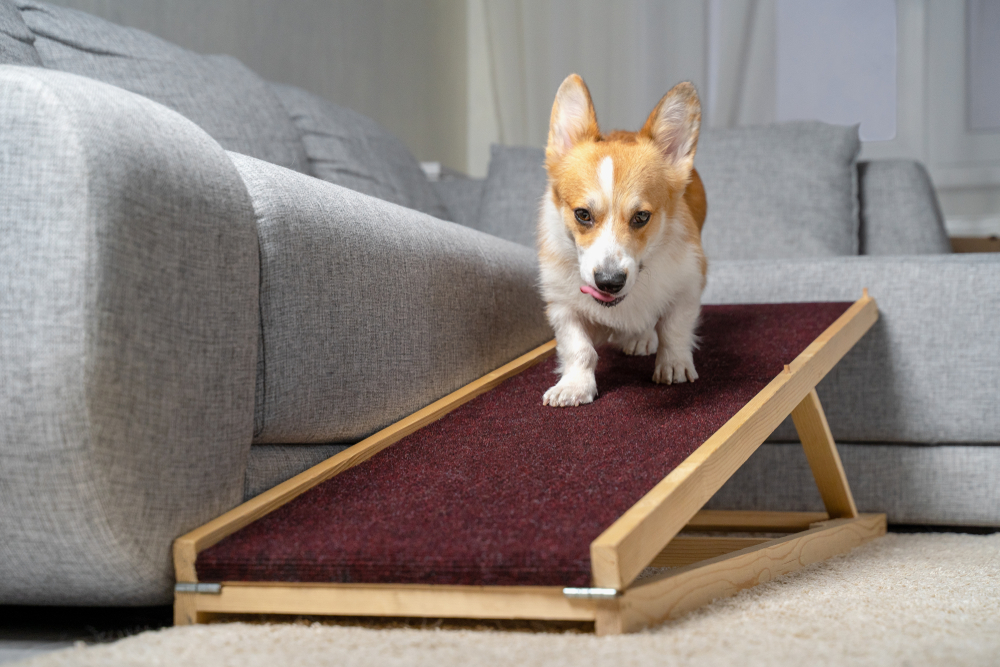
- Installing ramps to access furniture or vehicles
- Adding non-slip mats or rugs to reduce the risk of slips and reinjury
Explore Physical Rehabilitation
Canine rehabilitation therapy is one of the most effective non-surgical methods for managing CCL injuries. Rehabilitation helps reduce inflammation, strengthen supporting muscles, and improve joint mobility—ultimately helping dogs live more comfortably.
Some of the most beneficial rehabilitation therapies for CCL management include:
- Cold laser therapy to reduce pain and inflammation
- Massage therapy to promote circulation and relaxation
- Acupuncture to relieve discomfort and stimulate healing
- Shockwave or Piezo therapy helps stimulate healing of the ligament in some dogs.
Your veterinarian may refer you to a certified canine rehabilitation specialist to create a customized plan tailored to your dog’s specific needs and progress. The Animal Rehabilitation Center of Michigan is here to help you!
At Union Lake Veterinary Hospital, we’re committed to helping every pet live their happiest, healthiest life. Whether your dog needs help managing a CCL injury or your cat is due for a dental cleaning, our compassionate team provides the highest quality care with every visit.
📞 Call (248) 363-5061 or request an appointment online to learn more about how we can help your pet thrive.