
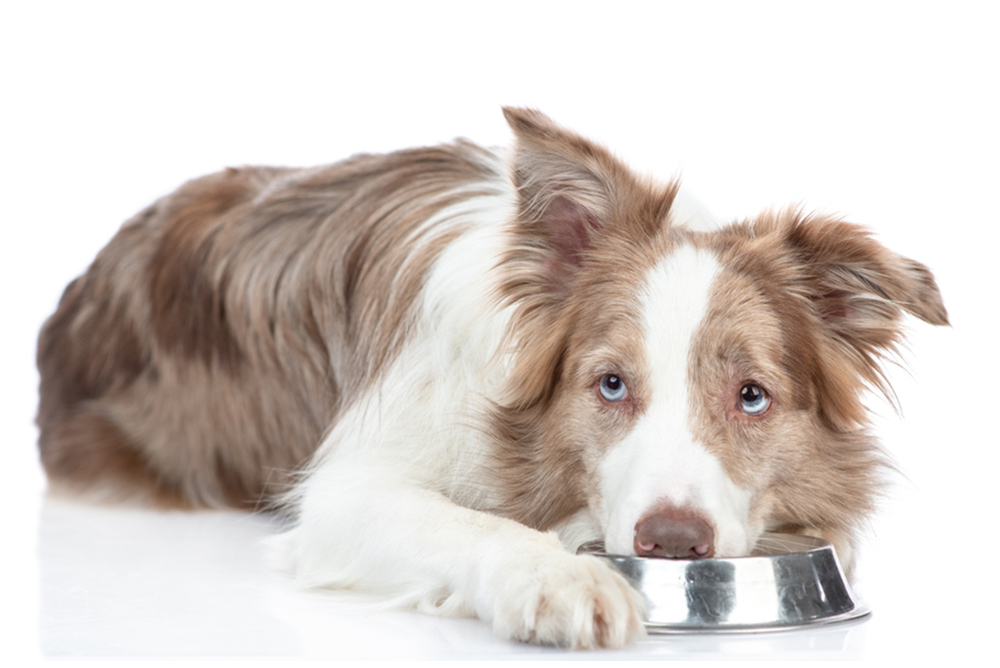
That means when something is wrong, the signs are often subtle. Recognizing these early changes can help you get your pet the care they need before a minor issue becomes something more serious. Here are subtle signs your pet is in pain.
Why Pain Isn’t Always Obvious
Many pet owners expect pain to look dramatic—limping, crying, or obvious injury. But in reality, pain is often expressed through small changes in behavior or routine.
These changes can be easy to overlook or mistaken for aging, mood, or “bad behavior.”
Subtle Signs Your Pet May Be in Pain
Changes in Behavior
- Becoming more withdrawn or less interactive
- Increased irritability or aggression
- Avoiding being touched or picked up
- Seeking more attention than usual
Even small shifts in personality can signal discomfort. Behavior changes are often medical.
Changes in Movement
- Hesitation to jump, climb stairs, or get into the car
- Stiffness, especially after resting
- Slower walks or reluctance to exercise
- Sitting or lying in unusual positions
These signs are often linked to joint pain or musculoskeletal issues.
Changes in Eating or Drinking
- Decreased appetite
- Difficulty chewing or dropping food
- Eating more slowly than usual
Dental pain, gastrointestinal issues, or other medical concerns may be the cause.
Changes in Grooming Habits
- Over-licking a specific area
- Reduced grooming (especially in cats)
- Matted or unkempt coat
Pets may focus on painful areas or stop grooming altogether when they don’t feel well.
Changes in Bathroom Habits
- Accidents in the house
- Straining or difficulty urinating or defecating
- Avoiding the litter box
These can be signs of pain—not just behavioral issues.
Changes in Sleep and Energy
- Sleeping more than usual
- Restlessness or difficulty getting comfortable
- Less interest in play or daily activities
Pain can affect both energy levels and the ability to rest comfortably.
“Slowing Down” Isn’t Always Just Aging
One of the most common misconceptions is that decreased activity is simply part of getting older.
While aging does bring changes, pain is often a contributing factor—especially with managing arthritis pain in dogs and cats. Many pets show significant improvement once their pain is properly managed.
When to See Your Veterinarian
If you notice any of these changes, it’s a good idea to schedule a veterinary visit—especially if symptoms persist or worsen.
Early evaluation can help:
- Identify underlying medical conditions
- Prevent progression of disease
- Improve your pet’s comfort and quality of life
Why Early Detection Matters
Addressing pain early can make a significant difference. Many conditions are easier to manage when caught sooner, and your pet doesn’t have to live with unnecessary discomfort.
What may seem like a small change could be your pet’s way of asking for help.
Trust Your Instincts
You know your pet better than anyone. If something feels off—even if you can’t pinpoint exactly why—it’s worth paying attention.
Subtle changes are often the first sign that something isn’t right.
Veterinary services at Union Lake Veterinary Hospital help identify and treat the underlying causes of pain—so your pet can get back to feeling like themselves. If you’ve noticed changes in your pet’s behavior or mobility, our team is here to help. Schedule a veterinary exam with us.