
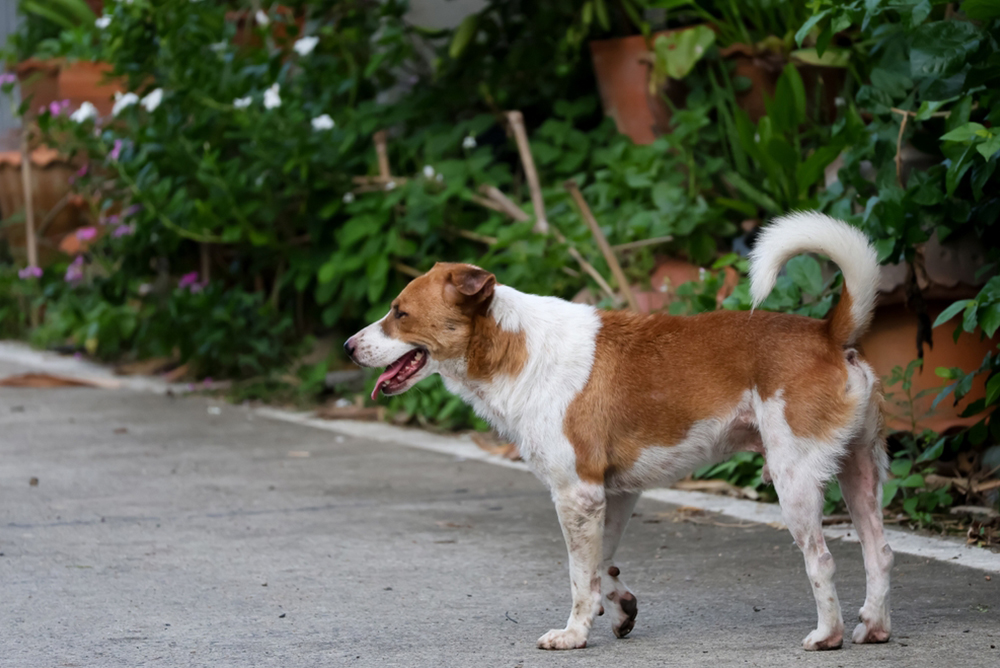
Have you ever noticed your dog suddenly skip, hop, or carry one back leg for a few steps—only to return to walking normally moments later?
Many pet owners describe it as:
- A brief “bunny hop”
- Skipping while walking or running
- Holding up a back leg temporarily
- Taking a few unusual steps before acting normal again
Because the behavior often comes and goes, it can be easy to dismiss. But intermittent hopping or skipping may be a sign of an underlying orthopedic issue that deserves attention. Let’s find our more about why does my dog skip when walking?
One of the Most Common Causes: Luxating Patellas
A very common reason dogs skip or hop—especially smaller breeds—is a luxating patella.
The patella, or kneecap, normally sits within a groove in the knee joint. In some dogs, the kneecap can temporarily slide out of place, causing:
- Sudden hopping or skipping
- Brief limping
- Carrying a leg for a few steps
- A quick “kick” backward to reset the knee
Once the kneecap moves back into place, many dogs resume walking normally, which can make the issue seem minor at first.
Breeds Commonly Affected
Luxating patellas are especially common in small and toy breeds, including:
- Yorkshire Terriers
- Pomeranians
- Chihuahuas
- Maltese
- Toy Poodles
- Shih Tzus
However, larger dogs can also develop kneecap instability and other knee-related conditions.
Other Possible Causes of Skipping or Hopping
While luxating patellas are common, they are not the only possible cause.
Other orthopedic conditions may include:
- Cruciate ligament (ACL/CCL) injuries
- Hip discomfort
- Arthritis
- Muscle or soft tissue injuries
- Developmental joint abnormalities
In some cases, a dog’s intermittent limping can also indicate early discomfort before more obvious symptoms develop.
Why the Symptoms Come and Go
One reason pet owners often delay evaluation is that the symptoms can disappear quickly.
Dogs are very good at compensating for discomfort, and many orthopedic conditions worsen gradually over time.
A dog may:
- Skip occasionally at first
- Show symptoms only after activity
- Appear stiff after resting
- Develop more consistent limping later on
Even if the problem seems mild now, early evaluation can help prevent worsening joint issues and chronic discomfort.
Signs It’s Time for a Veterinary Visit
You should schedule an examination if your dog:
- Frequently skips or hops while walking
- Holds up a leg intermittently
- Seems stiff after exercise
- Has trouble jumping or using stairs
- Slows down during walks or play
- Shows signs of pain or reluctance to move
The earlier orthopedic issues are identified, the more options may be available to help manage discomfort and support mobility.
How Veterinarians Diagnose Knee Problems
Your veterinarian will typically begin with:
- A physical examination
- Joint evaluation
- Gait assessment
- Discussion of your dog’s symptoms and activity level
In some cases, X-rays or additional orthopedic evaluation may be recommended.
Treatment Depends on the Cause
Treatment recommendations vary depending on the severity and underlying condition.
Options may include:
- Weight management
- Joint supplements
- Activity modification
- Physical rehabilitation
- Pain management
- Surgery in more advanced cases
For many dogs, early intervention helps improve comfort and long-term mobility.
Don’t Ignore the “Little Hop”
So, why does my dog skip when walking? While that occasional skip or hop may seem harmless, it can be your dog’s way of signaling discomfort or instability in the joint.
Paying attention to subtle mobility changes can help catch orthopedic problems early—before they become more serious.
At Union Lake Veterinary Hospital, we help diagnose and manage orthopedic conditions in dogs, including luxating patellas, knee injuries, arthritis, and mobility concerns. We have our own canine rehabilitation center on-site. If your dog has started skipping, hopping, or limping intermittently, our team can help determine the cause and recommend the best next steps.