
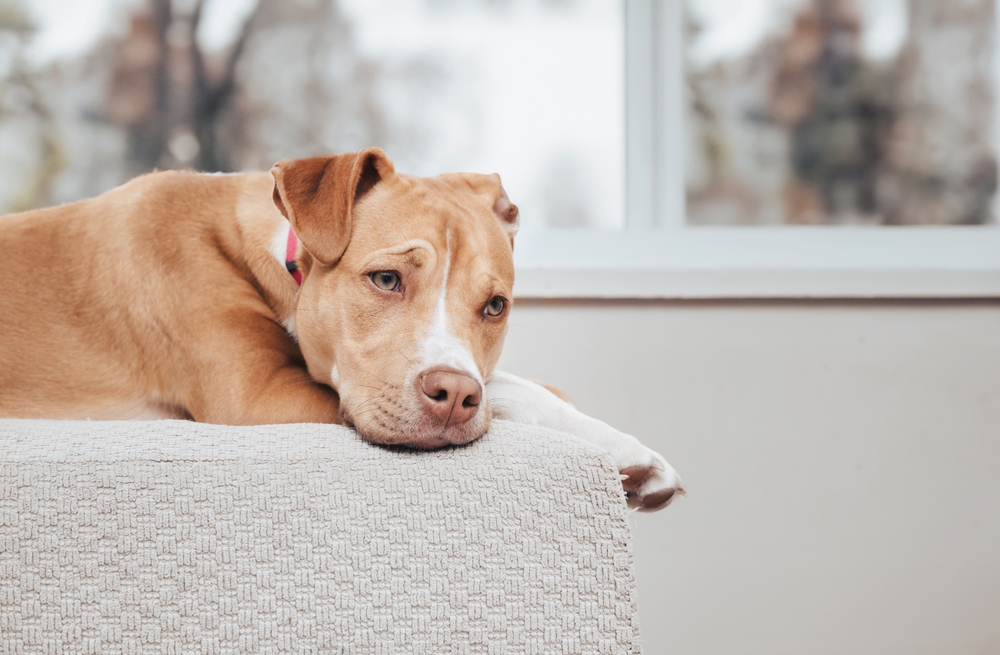
Senior pets commonly experience discomfort from arthritis, dental disease, spinal problems, previous injuries, cancer, and other chronic conditions. While we cannot reverse every age-related change, we can often reduce pain, improve mobility, and help pets enjoy more of the activities that make life meaningful.
Today’s veterinarians rarely depend on just one medication or therapy to manage chronic pain. Instead, we often use multimodal pain management for senior pets—an approach that combines several strategies to address pain from different directions.
What Is Multimodal Pain Management?
Pain involves more than one process in the body. Inflammation, damaged joints, irritated nerves, muscle weakness, excess weight, and even changes in a pet’s environment can all contribute to discomfort.
Multimodal pain management combines carefully selected treatments instead of relying on a single option to do everything. A senior pet’s plan might include medication, weight management, rehabilitation, home modifications, supplements, and other therapies.
Using multiple approaches may provide better relief while allowing the veterinarian to tailor each part of the plan to the pet’s health, needs, and response.
No universal combination works for every senior dog or cat. The right plan depends on:
- The source and severity of the pain
- Whether the pain is inflammatory, orthopedic, neurologic, or caused by another disease
- The pet’s kidney, liver, heart, and digestive health
- Current medications and supplements
- Weight, strength, and mobility
- Temperament and tolerance for different treatments
- The family’s goals and ability to provide care at home
Recognizing Pain in an Older Pet
Pets cannot tell us where or how much they hurt, and many instinctively hide vulnerability. Chronic pain may appear as a gradual change in movement, behavior, or daily habits rather than crying or obvious limping.
Possible signs include:
- Stiffness after sleeping
- Difficulty rising or lying down
- Reluctance to use stairs
- Hesitation before jumping
- Shorter or slower walks
- Limping or favoring a leg
- Slipping on smooth floors
- Changes in posture
- Restlessness or difficulty getting comfortable
- Reduced interest in play
- Irritability when touched
- Licking a joint or painful area
- Changes in grooming
- Urinating or defecating outside the litter box
- Withdrawing from family activity
Cats may stop climbing, choose lower resting places, groom less effectively, or avoid a litter box with high sides. Dogs may lag behind on walks, struggle to get into the car, or stop greeting family members at the door.
These changes deserve a veterinary evaluation. Pain is not an unavoidable part of aging that pets must simply endure.
Start With an Accurate Diagnosis
Pain management works best when we understand what hurts and why.
Your veterinarian may recommend a physical and orthopedic examination, bloodwork, X-rays, or other diagnostic testing. Videos of your pet walking, climbing stairs, jumping, or getting up at home can also provide valuable information because some pets move differently in the hospital.
An accurate diagnosis helps the veterinarian select appropriate therapies and avoid treatments that could worsen another condition.
Medications That Address Different Types of Pain
Medication often plays an important role in a multimodal plan, but the best choice depends on the pain source and the pet’s overall health.
A veterinarian may consider:
- Veterinary nonsteroidal anti-inflammatory drugs
- Medications that target nerve-related pain
- Other pain-modifying medications
- Injectable treatments for osteoarthritis pain
- Medications for an underlying disease that contributes to discomfort
Some dogs and cats may benefit from newer injectable therapies that target a pain-signaling protein associated with osteoarthritis. These treatments are not appropriate for every patient, and every medication has potential benefits and risks.
Senior pets may need bloodwork or other monitoring before and during long-term medication use. Tell your veterinarian about every prescription, supplement, and over-the-counter product your pet receives.
Never give a pet ibuprofen, naproxen, acetaminophen, or another human pain reliever unless a veterinarian specifically directs you to do so. Human medications can cause severe or fatal poisoning in pets.
Weight Management Reduces the Work of Painful Joints
Even modest excess weight adds strain to arthritic joints and can make movement harder.
A healthy-weight plan may include:
- Measured portions
- A nutritionally complete diet
- Adjustments to treats and table food
- Regular weight checks
- Exercise appropriate for the pet’s condition
- A therapeutic diet when recommended
The goal is not rapid weight loss. Your veterinarian can help your pet lose weight gradually while preserving the muscle needed for stability and movement.
Rehabilitation Helps Pets Move More Comfortably
Pain often causes pets to move less. Unfortunately, inactivity can lead to muscle loss, reduced flexibility, weight gain, and greater joint instability—which may make movement even more uncomfortable.
Veterinary rehabilitation can help interrupt that cycle.
Depending on the patient, a rehabilitation plan may use:
- Therapeutic exercises
- Strength and balance work
- Controlled walking
- Hydrotherapy or underwater treadmill sessions
- Manual therapy
- Laser therapy
- Acupuncture
- Other physical modalities
The goal is not to push an older pet through pain. Rehabilitation professionals choose and adjust exercises to improve strength, function, and confidence without overloading painful joints.
Union Lake Veterinary Hospital works alongside the Animal Rehabilitation Center of Michigan, located within our Waterford pet care complex. This allows our veterinary and rehabilitation teams to coordinate care for pets with arthritis, mobility limitations, neurologic conditions, and other sources of discomfort.
Joint Injections and Other Targeted Treatments
Some pets may benefit from therapies that target a particular joint or source of pain. Depending on the diagnosis, these may include joint injections or other regenerative and pain-management treatments.
These therapies do not replace a complete pain plan. They may, however, become one useful component alongside medication, weight management, rehabilitation, and appropriate exercise.
Learn more in our article about joint injections for pets.
Supplements May Provide Additional Support
Veterinarians sometimes recommend omega-3 fatty acids, joint-support products, or other supplements as part of a larger plan.
Product quality and evidence vary considerably. Supplements can also interact with medications or provide inappropriate amounts of certain ingredients. Ask your veterinarian before adding one, and choose products with reliable quality controls.
A supplement should support an appropriate treatment plan—not delay an examination or replace proven pain relief.
Simple Changes at Home Can Make a Big Difference
A senior pet’s environment can either reduce or increase the physical effort required during everyday activities.
Helpful changes may include:
- Nonslip rugs or yoga mats on smooth floors
- Ramps or pet steps near furniture and vehicles
- Supportive orthopedic bedding
- Raised or repositioned food and water bowls when appropriate
- Baby gates to prevent unsafe stair use
- Nightlights for pets with declining vision
- Easily accessible resting areas
- More frequent, shorter walks
- Support harnesses or slings
- Low-entry litter boxes
- Litter boxes on every level of the home
Keep food, water, beds, and toileting areas within comfortable reach. For cats, consider steps or intermediate surfaces that let them reach favorite elevated spots without making one large jump.
Our guide to mobility-support tools for senior pets offers more ideas.
The Plan Should Change as Your Pet’s Needs Change
Chronic pain management is a process, not a one-time decision. A treatment that works well today may need adjustment as a condition progresses or another health concern develops.
Watch for changes in your pet’s:
- Ability to rise and walk
- Willingness to use stairs
- Interest in play or family activity
- Appetite and sleep
- Grooming and toileting habits
- Comfort when touched
- Medication tolerance
Short videos can help you and your veterinarian compare mobility over time. Follow-up examinations and appropriate laboratory monitoring also help the veterinary team determine what is working and what needs to change.
Do not discontinue prescribed pain medication or change the dose without consulting your veterinarian.
Better Pain Control Can Restore More Than Movement
When we reduce pain, senior pets may begin doing things their families thought age had taken away. A dog may bring out a toy again. A cat may return to grooming or sleeping near the family. A pet who seemed withdrawn may become more engaged and affectionate.
The goal of multimodal pain management for senior pets is not to have an older pet behave like a puppy or kitten. It is to protect comfort, independence, and quality of life for as long as possible.
If your senior pet has slowed down or changed their routines, schedule an examination at Union Lake Veterinary Hospital. Together, we can look for signs of pain and build an individualized plan that helps your pet move—and live—more comfortably.
Explore More
ULVH Website and Blog
Senior Pet Care
Pain Management
Request an Appointment
A Guide to Arthritis in Dogs and Cats
Joint Injections for Pets: How They Can Help with Arthritis and Mobility
Animal Rehabilitation: Helping Stiff and Achy Dogs
Animal Rehabilitation Center Website and Blog
Arthritis Management (on our Rehab Center website)
Physical Rehabilitation in Managing Winter Joint Pain in Dogs (Rehab Center blog post)